Book Intro › Law

Numbers

בְּמִדְבַּר Bemidbar, “in the wilderness”. Narrative, law and census lists. 36 chapters, 1,288 verses.

Forty years in the wilderness: the generation that left Egypt refuses the promised land and dies on the way, and their children reach its edge.

Read Numbers 1 →

Overview

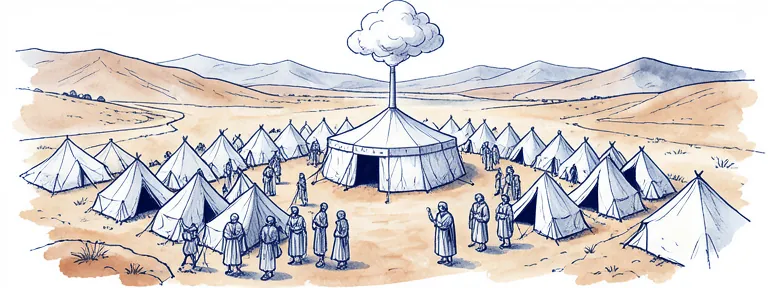
Numbers takes its English name from the two censuses that frame it, but its Hebrew name, “in the wilderness,” says more. It follows Israel from Sinai to the plains of Moab, across the Jordan from Jericho. The journey should have taken weeks; it took forty years.

The turning point is chapters 13–14. Twelve spies explore Canaan; ten say it cannot be taken, and the people wish they had died in Egypt (14:2). God takes them at their word: that generation will wander until it has died out (14:33). The rest of the book lives with the consequences. It is full of complaints, rebellions and plagues, but also of God’s patience: water from the rock, a bronze serpent, and a hired prophet who is sent to curse Israel and can only bless it. The second census (chapter 26) counts a new generation, ready to enter.

Author and date

Numbers does not name its author, though it records that Moses wrote down the stages of the journey (33:2).

Traditional view

Moses · 15th or 13th century BC

Jewish and Christian tradition include Numbers among the books of Moses, written near the end of his life on the plains of Moab.

Academic view

Compiled over centuries · final form c. 5th century BC

Most academic scholars see Numbers as a late part of the five books, combining older stories with priestly lists and law. Some describe it as a bridge built to join the Sinai chapters of Exodus and Leviticus to Deuteronomy. The Balaam poems (chapters 23–24) are often thought to be much older than the book around them.

Whatever the book’s date, an 8th-century BC inscription from outside the Bible found at Deir Alla in Jordan tells a story about “Balaam son of Beor,” a seer, which shows that his name was known in the region.

Audience and setting

Numbers was written for Israel, and its warning is aimed at every later generation: the ones who came out of Egypt saw everything God did and still would not trust him. Its setting moves through the wilderness of Sinai, the wilderness of Paran, Kadesh on the edge of Canaan, and the lands of Edom and Moab east of the Dead Sea.

Genre, and how to read it

Numbers is the most varied of the five books: census tables, camp arrangements, laws, travel notes, poems and stories sit side by side. The mix can feel random, but the settings hold it together. There are three: at Sinai (1:1–10:10), on the move (10:11–21:35), and on the plains of Moab (22–36). The laws placed between the stories often answer them. After the people refuse the land, chapter 15 opens, “When you have come into the land,” as if to insist they still will.

The numbers themselves are large: 603,550 men of fighting age (1:46), which implies more than two million people. Some readers take them at face value; others suggest the Hebrew word for “thousand” can also mean a clan or military unit, which would give far smaller figures.

The two counts

Israel is counted twice: at Sinai in the second year (1:1), and again on the plains of Moab when the wilderness years are over (26:3). Between the two counts every man in the first had died except Caleb and Joshua (26:64–65). Yet the total barely moved.

At Sinai603,550Numbers 1:46
−1,820 a whole generation replaced
On the plains of Moab601,730Numbers 26:51
The twelve tribes, first count and second Fighting men of each tribe at Sinai (Numbers 1) and on the plains of Moab (Numbers 26), sorted by how much the count changed: Manasseh 32,200 to 52,700; Asher 41,500 to 53,400; Benjamin 35,400 to 45,600; Issachar 54,400 to 64,300; Zebulun 57,400 to 60,500; Judah 74,600 to 76,500; Dan 62,700 to 64,400; Reuben 46,500 to 43,730; Gad 45,650 to 40,500; Ephraim 40,500 to 32,500; Naphtali 53,400 to 45,400; Simeon 59,300 to 22,200. 20k 30k 40k 50k 60k 70k 80k change Sinai Moab Manasseh: 32,200 at Sinai (Numbers 1:35), 52,700 in Moab (Numbers 26:34) Manasseh +20,500 +64% Asher: 41,500 at Sinai (Numbers 1:41), 53,400 in Moab (Numbers 26:47) Asher +11,900 +29% Benjamin: 35,400 at Sinai (Numbers 1:37), 45,600 in Moab (Numbers 26:41) Benjamin +10,200 +29% Issachar: 54,400 at Sinai (Numbers 1:29), 64,300 in Moab (Numbers 26:25) Issachar +9,900 +18% Zebulun: 57,400 at Sinai (Numbers 1:31), 60,500 in Moab (Numbers 26:27) Zebulun +3,100 +5% Judah: 74,600 at Sinai (Numbers 1:27), 76,500 in Moab (Numbers 26:22) Judah +1,900 +3% Dan: 62,700 at Sinai (Numbers 1:39), 64,400 in Moab (Numbers 26:43) Dan +1,700 +3% Reuben: 46,500 at Sinai (Numbers 1:21), 43,730 in Moab (Numbers 26:7) Reuben −2,770 −6% Gad: 45,650 at Sinai (Numbers 1:25), 40,500 in Moab (Numbers 26:18) Gad −5,150 −11% Ephraim: 40,500 at Sinai (Numbers 1:33), 32,500 in Moab (Numbers 26:37) Ephraim −8,000 −20% Naphtali: 53,400 at Sinai (Numbers 1:43), 45,400 in Moab (Numbers 26:50) Naphtali −8,000 −15% Simeon: 59,300 at Sinai (Numbers 1:23), 22,200 in Moab (Numbers 26:14) Simeon −37,100 −63% fighting men, twenty years old and upward
Every figure, in the text’s order
TribeSinaiVerseMoabVerseChange
Reuben46,5001:2143,73026:7−2,770
Simeon59,3001:2322,20026:14−37,100
Gad45,6501:2540,50026:18−5,150
Judah74,6001:2776,50026:22+1,900
Issachar54,4001:2964,30026:25+9,900
Zebulun57,4001:3160,50026:27+3,100
Ephraim40,5001:3332,50026:37−8,000
Manasseh32,2001:3552,70026:34+20,500
Benjamin35,4001:3745,60026:41+10,200
Dan62,7001:3964,40026:43+1,700
Asher41,5001:4153,40026:47+11,900
Naphtali53,4001:4345,40026:50−8,000
All twelve603,5501:46601,73026:51−1,820

Simeon loses nearly two thirds

Simeon falls from 59,300 to 22,200, the largest drop of any tribe. The count comes straight after Peor, where 24,000 died in the plague (25:9) and the man killed with the Midianite woman was a leader among the Simeonites (25:14). Readers often connect the two; the text does not.

Joseph’s two tribes change places

At Sinai Ephraim (40,500) outnumbers Manasseh (32,200). By Moab Manasseh has grown by more than half to 52,700 and Ephraim has fallen to 32,500. Chapter 26 lists Manasseh first (26:34).

Levi is counted apart

The Levites were not counted among the fighting men (1:47–49). They were counted separately, every male from a month old: 22,000 at Sinai (3:39) and 23,000 in Moab (26:62). They are in neither total.

Who was counted

Both times it was men “from twenty years old and upward, all who are able to go out to war” (1:3; 26:2). Women, children and the old were never counted, which is why 603,550 implies a people of two million or more.

Two readings: how large is a “thousand”?

At face value

The figures are headcounts. About 600,000 fighting men implies a people of two million or more in the wilderness, and the totals in chapters 1, 2 and 26 agree with one another.

Thousand as a unit

The Hebrew elef can mean a clan or a military unit as well as a thousand. Read that way, Reuben’s 46,500 is 46 units with 500 men among them, and the whole army is a few thousand.

Twelve identical gifts

When the altar is anointed, the twelve tribal leaders bring their gifts, one a day for twelve days, and the text writes out each gift in full: the same silver and gold, the same animals, every time. In the site’s Hebrew the twelve lists are identical word for word. Then it adds them up.

DayLeaderHis gift
first Nahshonson of Amminadab, Judah silver platter 130silver bowl 70golden ladle of incense 10bullrammale lambmale goat2 head of cattle5 ram5 male goat5 male lamb
second Nethanelson of Zuar, Issachar silver platter 130silver bowl 70golden ladle of incense 10bullrammale lambmale goat2 head of cattle5 ram5 male goat5 male lamb
third Eliabson of Helon, Zebulun silver platter 130silver bowl 70golden ladle of incense 10bullrammale lambmale goat2 head of cattle5 ram5 male goat5 male lamb
fourth Elizurson of Shedeur, Reuben silver platter 130silver bowl 70golden ladle of incense 10bullrammale lambmale goat2 head of cattle5 ram5 male goat5 male lamb
fifth Shelumielson of Zurishaddai, Simeon silver platter 130silver bowl 70golden ladle of incense 10bullrammale lambmale goat2 head of cattle5 ram5 male goat5 male lamb
sixth Eliasaphson of Deuel, Gad silver platter 130silver bowl 70golden ladle of incense 10bullrammale lambmale goat2 head of cattle5 ram5 male goat5 male lamb
seventh Elishamason of Ammihud, Ephraim silver platter 130silver bowl 70golden ladle of incense 10bullrammale lambmale goat2 head of cattle5 ram5 male goat5 male lamb
eighth Gamalielson of Pedahzur, Manasseh silver platter 130silver bowl 70golden ladle of incense 10bullrammale lambmale goat2 head of cattle5 ram5 male goat5 male lamb
ninth Abidanson of Gideoni, Benjamin silver platter 130silver bowl 70golden ladle of incense 10bullrammale lambmale goat2 head of cattle5 ram5 male goat5 male lamb
tenth Ahiezerson of Ammishaddai, Dan silver platter 130silver bowl 70golden ladle of incense 10bullrammale lambmale goat2 head of cattle5 ram5 male goat5 male lamb
eleventh Pagielson of Ochran, Asher silver platter 130silver bowl 70golden ladle of incense 10bullrammale lambmale goat2 head of cattle5 ram5 male goat5 male lamb
twelfth Ahirason of Enan, Naphtali silver platter 130silver bowl 70golden ladle of incense 10bullrammale lambmale goat2 head of cattle5 ram5 male goat5 male lamb
total All twelveas the text adds them up 2,400 shekels of silver 7:85 120 shekels of gold 7:86 24 bulls for the peace offerings 7:88 60 rams for the peace offerings 7:88 and twelve of each animal for the burnt and sin offerings 7:87

Every total is twelve times one day’s gift: 12 × (130 + 70) shekels of silver is 2,400, 12 × 10 of gold is 120, 12 × 2 bulls is 24, 12 × 5 rams is 60. The only difference in the Hebrew is two words on the second day, He offered (7:19), because that day’s first sentence is built differently. The leaders come in the order the tribes camp around the tabernacle in chapter 2, starting with Judah.

Forty-two camps

“Moses wrote the starting points of their journeys” (33:2): every camp from Rameses to the plains of Moab, forty-two places in order. Set against the years, the list is lopsided. The first twelve camps, from the Passover to Sinai, fall within three months. The next twenty-two, from leaving Sinai to Aaron’s death on Mount Hor, stretch across about thirty-eight years. Most of those are named nowhere else in scripture.

The forty-two camps of Numbers 33, against forty years The camps in order: Rameses (a story happens there), Succoth (a story happens there), Etham (a story happens there), Pi-hahiroth (a story happens there), Marah (a story happens there), Elim (a story happens there), by the Red Sea (named only in this list), Wilderness of Sin (a story happens there), Dophkah (named only in this list), Alush (named only in this list), Rephidim (a story happens there), Wilderness of Sinai (a story happens there), Kibroth Hattaavah (a story happens there), Hazeroth (a story happens there), Rithmah (named only in this list), Rimmon Perez (named only in this list), Libnah (named only in this list), Rissah (named only in this list), Kehelathah (named only in this list), Mount Shepher (named only in this list), Haradah (named only in this list), Makheloth (named only in this list), Tahath (named only in this list), Terah (named only in this list), Mithkah (named only in this list), Hashmonah (named only in this list), Moseroth (named elsewhere in passing), Bene Jaakan (named elsewhere in passing), Hor Haggidgad (named elsewhere in passing), Jotbathah (named elsewhere in passing), Abronah (named only in this list), Ezion Geber (named elsewhere in passing), Kadesh (a story happens there), Mount Hor (a story happens there), Zalmonah (named only in this list), Punon (named only in this list), Oboth (named elsewhere in passing), Iye Abarim (named elsewhere in passing), Dibon Gad (named elsewhere in passing), Almon Diblathaim (named only in this list), Mountains of Abarim (named elsewhere in passing), Plains of Moab (a story happens there). The camps the text dates are joined to a forty-year line: the first twelve fall within three months, and the twenty-two from leaving Sinai to Mount Hor span about thirty-eight years. 0 5 10 15 20 25 30 35 40 years the camps, in order Rameses: the 15th day of the 1st month (Numbers 33:3) Wilderness of Sin: the 15th day of the 2nd month (Exodus 16:1) Wilderness of Sinai: the 3rd month (Exodus 19:1) Kibroth Hattaavah: year 2, the 2nd month, 20th day: leaving Sinai (Numbers 10:11) Mount Hor: year 40, the 5th month: Aaron dies (Numbers 33:38) Plains of Moab: year 40, the 11th month (Deuteronomy 1:3) Rameses · Numbers 33:3 · its story: Exodus 12:37 Rameses the night of the Passover Succoth · Numbers 33:5 · its story: Exodus 12:37 Succoth Etham · Numbers 33:6 · its story: Exodus 13:20 Etham the edge of the wilderness Pi-hahiroth · Numbers 33:7 · its story: Exodus 14:2 Pi-hahiroth the sea crossed Marah · Numbers 33:8 · its story: Exodus 15:23 Marah bitter water Elim · Numbers 33:9 · its story: Exodus 15:27 Elim twelve springs, seventy palms by the Red Sea · Numbers 33:10 · named only in this list by the Red Sea Wilderness of Sin · Numbers 33:11 · its story: Exodus 16:1 Wilderness of Sin manna Dophkah · Numbers 33:12 · named only in this list Dophkah Alush · Numbers 33:13 · named only in this list Alush Rephidim · Numbers 33:14 · its story: Exodus 17:1 Rephidim water from the rock; Amalek Wilderness of Sinai · Numbers 33:15 · its story: Exodus 19:1 Wilderness of Sinai the law given Kibroth Hattaavah · Numbers 33:16 · its story: Numbers 11:34 Kibroth Hattaavah quail, and graves Hazeroth · Numbers 33:17 · its story: Numbers 11:35 Hazeroth Miriam’s leprosy Rithmah · Numbers 33:18 · named only in this list Rithmah Rimmon Perez · Numbers 33:19 · named only in this list Rimmon Perez Libnah · Numbers 33:20 · named only in this list Libnah Rissah · Numbers 33:21 · named only in this list Rissah Kehelathah · Numbers 33:22 · named only in this list Kehelathah Mount Shepher · Numbers 33:23 · named only in this list Mount Shepher Haradah · Numbers 33:24 · named only in this list Haradah Makheloth · Numbers 33:25 · named only in this list Makheloth Tahath · Numbers 33:26 · named only in this list Tahath Terah · Numbers 33:27 · named only in this list Terah Mithkah · Numbers 33:28 · named only in this list Mithkah Hashmonah · Numbers 33:29 · named only in this list Hashmonah Moseroth · Numbers 33:30 · also named in Deuteronomy 10:6 Moseroth Bene Jaakan · Numbers 33:31 · also named in Deuteronomy 10:6 Bene Jaakan Hor Haggidgad · Numbers 33:32 · also named in Deuteronomy 10:7 Hor Haggidgad Jotbathah · Numbers 33:33 · also named in Deuteronomy 10:7 Jotbathah Abronah · Numbers 33:34 · named only in this list Abronah Ezion Geber · Numbers 33:35 · also named in Deuteronomy 2:8 Ezion Geber Kadesh · Numbers 33:36 · its story: Numbers 20:1 Kadesh Miriam dies; water from the rock Mount Hor · Numbers 33:37 · its story: Numbers 20:22 Mount Hor Aaron dies Zalmonah · Numbers 33:41 · named only in this list Zalmonah Punon · Numbers 33:42 · named only in this list Punon Oboth · Numbers 33:43 · also named in Numbers 21:10 Oboth Iye Abarim · Numbers 33:44 · also named in Numbers 21:11 Iye Abarim Dibon Gad · Numbers 33:45 · also named in Numbers 32:34 Dibon Gad Almon Diblathaim · Numbers 33:46 · named only in this list Almon Diblathaim Mountains of Abarim · Numbers 33:47 · also named in Numbers 27:12 Mountains of Abarim Plains of Moab · Numbers 33:48 · its story: Numbers 22:1 Plains of Moab Balaam; the second census The forty-two camps of Numbers 33, against forty years The camps in order: Rameses (a story happens there), Succoth (a story happens there), Etham (a story happens there), Pi-hahiroth (a story happens there), Marah (a story happens there), Elim (a story happens there), by the Red Sea (named only in this list), Wilderness of Sin (a story happens there), Dophkah (named only in this list), Alush (named only in this list), Rephidim (a story happens there), Wilderness of Sinai (a story happens there), Kibroth Hattaavah (a story happens there), Hazeroth (a story happens there), Rithmah (named only in this list), Rimmon Perez (named only in this list), Libnah (named only in this list), Rissah (named only in this list), Kehelathah (named only in this list), Mount Shepher (named only in this list), Haradah (named only in this list), Makheloth (named only in this list), Tahath (named only in this list), Terah (named only in this list), Mithkah (named only in this list), Hashmonah (named only in this list), Moseroth (named elsewhere in passing), Bene Jaakan (named elsewhere in passing), Hor Haggidgad (named elsewhere in passing), Jotbathah (named elsewhere in passing), Abronah (named only in this list), Ezion Geber (named elsewhere in passing), Kadesh (a story happens there), Mount Hor (a story happens there), Zalmonah (named only in this list), Punon (named only in this list), Oboth (named elsewhere in passing), Iye Abarim (named elsewhere in passing), Dibon Gad (named elsewhere in passing), Almon Diblathaim (named only in this list), Mountains of Abarim (named elsewhere in passing), Plains of Moab (a story happens there). The camps the text dates are joined to a forty-year line: the first twelve fall within three months, and the twenty-two from leaving Sinai to Mount Hor span about thirty-eight years. 0 5 10 15 20 25 30 35 40 years the camps, in order Rameses: the 15th day of the 1st month (Numbers 33:3) Wilderness of Sin: the 15th day of the 2nd month (Exodus 16:1) Wilderness of Sinai: the 3rd month (Exodus 19:1) Kibroth Hattaavah: year 2, the 2nd month, 20th day: leaving Sinai (Numbers 10:11) Mount Hor: year 40, the 5th month: Aaron dies (Numbers 33:38) Plains of Moab: year 40, the 11th month (Deuteronomy 1:3) Rameses · Numbers 33:3 · its story: Exodus 12:37 Rameses the night of the Passover Succoth · Numbers 33:5 · its story: Exodus 12:37 Succoth Etham · Numbers 33:6 · its story: Exodus 13:20 Etham the edge of the wilderness Pi-hahiroth · Numbers 33:7 · its story: Exodus 14:2 Pi-hahiroth the sea crossed Marah · Numbers 33:8 · its story: Exodus 15:23 Marah bitter water Elim · Numbers 33:9 · its story: Exodus 15:27 Elim twelve springs, seventy palms by the Red Sea · Numbers 33:10 · named only in this list by the Red Sea Wilderness of Sin · Numbers 33:11 · its story: Exodus 16:1 Wilderness of Sin manna Dophkah · Numbers 33:12 · named only in this list Dophkah Alush · Numbers 33:13 · named only in this list Alush Rephidim · Numbers 33:14 · its story: Exodus 17:1 Rephidim water from the rock; Amalek Wilderness of Sinai · Numbers 33:15 · its story: Exodus 19:1 Wilderness of Sinai the law given Kibroth Hattaavah · Numbers 33:16 · its story: Numbers 11:34 Kibroth Hattaavah quail, and graves Hazeroth · Numbers 33:17 · its story: Numbers 11:35 Hazeroth Miriam’s leprosy Rithmah · Numbers 33:18 · named only in this list Rithmah Rimmon Perez · Numbers 33:19 · named only in this list Rimmon Perez Libnah · Numbers 33:20 · named only in this list Libnah Rissah · Numbers 33:21 · named only in this list Rissah Kehelathah · Numbers 33:22 · named only in this list Kehelathah Mount Shepher · Numbers 33:23 · named only in this list Mount Shepher Haradah · Numbers 33:24 · named only in this list Haradah Makheloth · Numbers 33:25 · named only in this list Makheloth Tahath · Numbers 33:26 · named only in this list Tahath Terah · Numbers 33:27 · named only in this list Terah Mithkah · Numbers 33:28 · named only in this list Mithkah Hashmonah · Numbers 33:29 · named only in this list Hashmonah Moseroth · Numbers 33:30 · also named in Deuteronomy 10:6 Moseroth Bene Jaakan · Numbers 33:31 · also named in Deuteronomy 10:6 Bene Jaakan Hor Haggidgad · Numbers 33:32 · also named in Deuteronomy 10:7 Hor Haggidgad Jotbathah · Numbers 33:33 · also named in Deuteronomy 10:7 Jotbathah Abronah · Numbers 33:34 · named only in this list Abronah Ezion Geber · Numbers 33:35 · also named in Deuteronomy 2:8 Ezion Geber Kadesh · Numbers 33:36 · its story: Numbers 20:1 Kadesh Miriam dies; water from the rock Mount Hor · Numbers 33:37 · its story: Numbers 20:22 Mount Hor Aaron dies Zalmonah · Numbers 33:41 · named only in this list Zalmonah Punon · Numbers 33:42 · named only in this list Punon Oboth · Numbers 33:43 · also named in Numbers 21:10 Oboth Iye Abarim · Numbers 33:44 · also named in Numbers 21:11 Iye Abarim Dibon Gad · Numbers 33:45 · also named in Numbers 32:34 Dibon Gad Almon Diblathaim · Numbers 33:46 · named only in this list Almon Diblathaim Mountains of Abarim · Numbers 33:47 · also named in Numbers 27:12 Mountains of Abarim Plains of Moab · Numbers 33:48 · its story: Numbers 22:1 Plains of Moab Balaam; the second census The forty-two camps of Numbers 33, against forty years The camps in order: Rameses (a story happens there), Succoth (a story happens there), Etham (a story happens there), Pi-hahiroth (a story happens there), Marah (a story happens there), Elim (a story happens there), by the Red Sea (named only in this list), Wilderness of Sin (a story happens there), Dophkah (named only in this list), Alush (named only in this list), Rephidim (a story happens there), Wilderness of Sinai (a story happens there), Kibroth Hattaavah (a story happens there), Hazeroth (a story happens there), Rithmah (named only in this list), Rimmon Perez (named only in this list), Libnah (named only in this list), Rissah (named only in this list), Kehelathah (named only in this list), Mount Shepher (named only in this list), Haradah (named only in this list), Makheloth (named only in this list), Tahath (named only in this list), Terah (named only in this list), Mithkah (named only in this list), Hashmonah (named only in this list), Moseroth (named elsewhere in passing), Bene Jaakan (named elsewhere in passing), Hor Haggidgad (named elsewhere in passing), Jotbathah (named elsewhere in passing), Abronah (named only in this list), Ezion Geber (named elsewhere in passing), Kadesh (a story happens there), Mount Hor (a story happens there), Zalmonah (named only in this list), Punon (named only in this list), Oboth (named elsewhere in passing), Iye Abarim (named elsewhere in passing), Dibon Gad (named elsewhere in passing), Almon Diblathaim (named only in this list), Mountains of Abarim (named elsewhere in passing), Plains of Moab (a story happens there). The camps the text dates are joined to a forty-year line: the first twelve fall within three months, and the twenty-two from leaving Sinai to Mount Hor span about thirty-eight years. 0 5 10 15 20 25 30 35 40 years the camps, in order Rameses: the 15th day of the 1st month (Numbers 33:3) Wilderness of Sin: the 15th day of the 2nd month (Exodus 16:1) Wilderness of Sinai: the 3rd month (Exodus 19:1) Kibroth Hattaavah: year 2, the 2nd month, 20th day: leaving Sinai (Numbers 10:11) Mount Hor: year 40, the 5th month: Aaron dies (Numbers 33:38) Plains of Moab: year 40, the 11th month (Deuteronomy 1:3) Rameses · Numbers 33:3 · its story: Exodus 12:37 Rameses Succoth · Numbers 33:5 · its story: Exodus 12:37 Succoth Etham · Numbers 33:6 · its story: Exodus 13:20 Etham Pi-hahiroth · Numbers 33:7 · its story: Exodus 14:2 Pi-hahiroth Marah · Numbers 33:8 · its story: Exodus 15:23 Marah Elim · Numbers 33:9 · its story: Exodus 15:27 Elim by the Red Sea · Numbers 33:10 · named only in this list by the Red Sea Wilderness of Sin · Numbers 33:11 · its story: Exodus 16:1 Wilderness of Sin Dophkah · Numbers 33:12 · named only in this list Dophkah Alush · Numbers 33:13 · named only in this list Alush Rephidim · Numbers 33:14 · its story: Exodus 17:1 Rephidim Wilderness of Sinai · Numbers 33:15 · its story: Exodus 19:1 Wilderness of Sinai Kibroth Hattaavah · Numbers 33:16 · its story: Numbers 11:34 Kibroth Hattaavah Hazeroth · Numbers 33:17 · its story: Numbers 11:35 Hazeroth Rithmah · Numbers 33:18 · named only in this list Rithmah Rimmon Perez · Numbers 33:19 · named only in this list Rimmon Perez Libnah · Numbers 33:20 · named only in this list Libnah Rissah · Numbers 33:21 · named only in this list Rissah Kehelathah · Numbers 33:22 · named only in this list Kehelathah Mount Shepher · Numbers 33:23 · named only in this list Mount Shepher Haradah · Numbers 33:24 · named only in this list Haradah Makheloth · Numbers 33:25 · named only in this list Makheloth Tahath · Numbers 33:26 · named only in this list Tahath Terah · Numbers 33:27 · named only in this list Terah Mithkah · Numbers 33:28 · named only in this list Mithkah Hashmonah · Numbers 33:29 · named only in this list Hashmonah Moseroth · Numbers 33:30 · also named in Deuteronomy 10:6 Moseroth Bene Jaakan · Numbers 33:31 · also named in Deuteronomy 10:6 Bene Jaakan Hor Haggidgad · Numbers 33:32 · also named in Deuteronomy 10:7 Hor Haggidgad Jotbathah · Numbers 33:33 · also named in Deuteronomy 10:7 Jotbathah Abronah · Numbers 33:34 · named only in this list Abronah Ezion Geber · Numbers 33:35 · also named in Deuteronomy 2:8 Ezion Geber Kadesh · Numbers 33:36 · its story: Numbers 20:1 Kadesh Mount Hor · Numbers 33:37 · its story: Numbers 20:22 Mount Hor Zalmonah · Numbers 33:41 · named only in this list Zalmonah Punon · Numbers 33:42 · named only in this list Punon Oboth · Numbers 33:43 · also named in Numbers 21:10 Oboth Iye Abarim · Numbers 33:44 · also named in Numbers 21:11 Iye Abarim Dibon Gad · Numbers 33:45 · also named in Numbers 32:34 Dibon Gad Almon Diblathaim · Numbers 33:46 · named only in this list Almon Diblathaim Mountains of Abarim · Numbers 33:47 · also named in Numbers 27:12 Mountains of Abarim Plains of Moab · Numbers 33:48 · its story: Numbers 22:1 Plains of Moab

The silent years

From Kadesh to the brook Zered took “thirty-eight years, until all the generation of the men of war were consumed” (Deut 2:14). Numbers tells almost nothing of them. Twelve camps in a row, Rithmah to Hashmonah (33:18–29), are mentioned nowhere else.

Two places for Aaron’s death

Numbers has Aaron die on Mount Hor in the fortieth year (20:28; 33:38). Deuteronomy has “Moserah. There Aaron died” (Deut 10:6), and Numbers lists Moseroth seven camps before Mount Hor. Some readers take Moserah to be the district around the mountain. Others see two traditions of the route.

Outline

At Sinai (1–10)

In the wilderness (10–21)

On the plains of Moab (22–36)

Key themes

Unbelief and its cost
Numbers is the Bible’s great warning about refusing to trust God. The spies’ report and the people’s response decide a generation’s fate (14:33), and later writers return to it (Psalm 95, Hebrews 3–4).
God leads
The cloud over the tabernacle decides when the camp moves and when it stays (9:17). The journey is his, even when the people resist it.
Judgement and mercy
Punishment and provision come together. When snakes are sent among the people, God also provides the bronze serpent: whoever looked at it “lived” (21:9), a scene Jesus applies to himself (John 3:14).
Blessing
The priestly blessing, “Yahweh bless you, and keep you” (6:24), and Balaam’s failure to curse Israel (23:8) show God’s intent to bless his people despite themselves.
A new generation
The second census (26:2) counts the children of those who died. They, not their parents, will inherit the promise.
At a glance

219 people and 136 places named.

Most mentioned: Moses, Jacob (Israel), Aaron, Balaam, Balak

Main places: Moab, Egypt, Jordan, Mount Sinai, Canaan

In the Almanac: Homer, Nephilim, Rephaim, Levites, Urim and Thummim, Ark of the covenant